Kitchen Remodeler Marketing in Los Angeles, CA
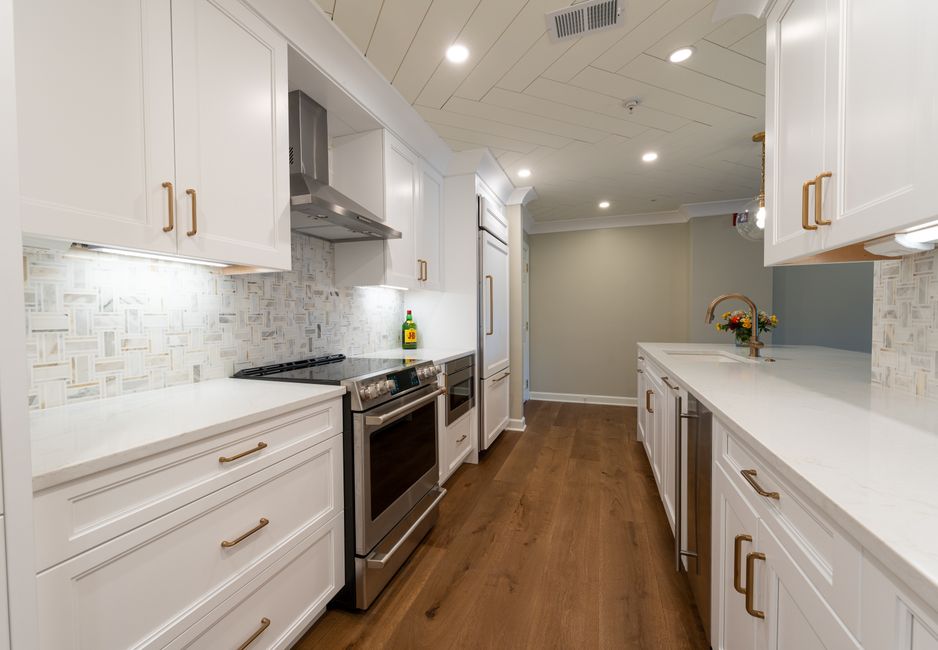
Practical notes on kitchen remodeler marketing in Los Angeles, CA: how homeowners find, judge and hire a kitchen remodeling company across Los Angeles County.
What We Cover
- How Do Map Listings Work for a Kitchen Remodeler Across Los Angeles Neighborhoods How a Los Angeles kitchen remodeler can handle map listings, service areas and neighborhood visibility across a sprawling county.
- How Do You Follow Up Kitchen Remodel Inquiries That Take Months to Decide A practical follow up routine for kitchen remodel inquiries where homeowners compare designs and bids for months.
- How Should a Kitchen Remodeler Handle Reviews Over a Long Planning Cycle How a kitchen remodeler can collect and answer reviews when projects take months from consult to completion.
- What Should a Kitchen Remodeling Project Gallery Show What a project gallery and website must show so a Los Angeles homeowner can judge a kitchen remodeler before the first consult.
- Where Do Los Angeles Homeowners Look First for a Kitchen Remodeler How Los Angeles homeowners begin searching for a kitchen remodeler and which first touchpoints a remodeling company should cover.
- Which License and Permit Details Should a Kitchen Remodeler Show Homeowners Which license, insurance and permit details help a Los Angeles kitchen remodeler earn trust before a homeowner books a consult.
Kitchen Remodeler Marketing in Los Angeles, CA
A kitchen remodel in Los Angeles is a planned, high ticket project, and the homeowner usually spends months looking before anyone is called. The business that gets hired is the one that was easy to find, easy to judge and easy to reach at each of those moments. These notes follow that whole picture for kitchen remodeling companies working across Los Angeles County.
Where homeowners start looking
Buyers on the Westside, in the San Fernando Valley and in Pasadena begin in different places. Some type a search on a phone, some ask a neighbor in Silver Lake, some arrive with a folder of saved photos. A remodeler has to be present in each of those starting points with a consistent story. The details change from one part of the county to the next, and a company that ignores them reads as generic.
What a website and gallery must show
A homeowner judges the work before the first consult. Project galleries, sorted by home type and written up with plain notes on layout and finish, do that job. Bungalows, ranch homes and condos each need examples that look like the buyer's own house. Close photos of cabinet and counter detail show the finish work, and before and after sets shot from the same doorway show what really changed.
Map listings, trust details and reviews
Map listings decide who is seen in Santa Monica and who is seen in Glendale. License standing, insurance and an honest explanation of permits through the Los Angeles Department of Building and Safety turn a visitor into a caller. Reviews gathered over a long project round out the record, and a steady follow up routine keeps each inquiry warm while the homeowner compares designs and decides.
Guides
The pages here cover where homeowners look first, what a gallery should show, how map listings work across neighborhoods, which license and permit details to display, how to handle reviews, and how to follow up inquiries that take months to decide.
Latest Guides

What Do Los Angeles Homeowners Ask Before Hiring a Kitchen Remodeler
2026-10-06
Why do the questions homeowners ask matter more than the slogans a company uses?
Every kitchen remodeling company in Los Angeles says it is professional, careful and on time. Homeowners have heard all of it, so none of it separates one company from another. What does separate them is whether the company has already answered the questions running through the homeowner's head. The businesses that win projects tend to be the ones whose website, listing and consult conversation address those questions directly, in the order the homeowner thinks of them.
This article collects the questions that come up again and again before a hire, and explains how a remodeler can answer each one without sounding rehearsed. It is written as a set of questions because that is how buyers search, and because answering a question plainly is a skill worth practicing.
How long will this really take?
This is nearly always the first question, and it is the hardest to answer honestly. A kitchen project has a planning stage, an ordering stage, a construction stage and a finish stage, and the construction stage is only a portion of the calendar. Homeowners are often surprised that the design and permit period can stretch longer than the work itself.
The honest answer describes the stages, not a single number. A remodeler can explain that cabinets are ordered after the layout is approved, that permits move at the pace of the building department, and that the kitchen is out of use only during the construction stage. In Los Angeles, where the Los Angeles Department of Building and Safety handles permits for the city and other cities such as Pasadena and Glendale run separate offices, it is fair to say that timing depends partly on where the house sits. Buyers appreciate an answer that admits uncertainty and then explains what drives it.
Will the kitchen be unusable the whole time?
Homeowners worry about feeding a family. A good answer describes a temporary setup: a small counter with a microwave and a sink in a utility room, or a table in the dining room holding a hot plate and a coffee machine. It explains which weeks are the hardest, usually the days when the old kitchen is removed and the plumbing is rerouted, and which are easier.
It helps to be specific about the house. A condo near Santa Monica with a shared building schedule creates different limits from a ranch house in the San Fernando Valley with a backyard and a side door. Mentioning that the crew adapts the plan to the home signals experience.
Is the company licensed and insured, and can I check?
Careful buyers verify. They look up the contractor license, confirm that it is active, and ask about insurance. A company that offers this information before it is requested comes across as confident. Putting the license number in the footer and on every proposal, and saying that proof of insurance is sent on request, takes very little effort.
It is worth explaining why this matters in Los Angeles County specifically. Homes are close together, many are older, and a mistake in one kitchen can affect a neighbor's wall. Homeowners know this instinctively, and a remodeler who acknowledges it shows respect for the situation.
What happens if you find something behind the walls?
This question is the quiet fear behind most remodels. Older homes in Silver Lake, Pasadena and many established neighborhoods can hide outdated wiring, brittle pipe or water damage. The honest answer is that it happens often enough to plan for, and that the company will stop, show the homeowner what was found, and explain the options before doing anything further.
The way a remodeler speaks about change orders says more about character than any tagline. A calm description of the routine, that the homeowner sees the problem, receives a written explanation and approves the change before work continues, removes much of the anxiety. Homeowners are far less upset by surprises they were told to expect.
Can I see work that looks like my house?
A bungalow owner does not learn much from a photo of a new build penthouse. Buyers want to see kitchens in homes like theirs: similar age, similar footprint, similar constraints. A project gallery sorted by home type answers this quickly. Notes on what changed, such as a wall opened to a dining room or a window enlarged, show the thinking behind the finished look.
If the company has little work in a particular type of home, it is better to say so than to pad the gallery. Buyers can tell, and a candid statement earns more trust than a vague one.
Who will actually be in my home?
Homeowners are letting people into the most private part of the house for months. They want to know whether the crew is employed by the company or hired job to job, who leads the site each day, and who they call when something goes wrong. A short introduction to the project lead, with a name and a role, makes the process feel personal.
A website can describe how the day starts and ends: when the crew arrives, how the work area is protected, how tools and debris are handled, and how the site is left each evening. These small details speak to a homeowner's real concerns about living through construction.
How do you handle changes I decide on later?
Almost every homeowner changes something midway. A different faucet, an extra outlet, a switch from one counter material to another. The question behind the question is whether the company will welcome those changes or punish them. The answer should explain that changes are possible, that some carry a schedule effect because of lead times, and that each change is written down and approved before it proceeds.
Remodelers sometimes avoid this topic because it feels negative. Silence is worse. A buyer who senses that changes will be fought over is a buyer who keeps shopping.
What do other homeowners say about working with you?
Reviews are read carefully by this audience, particularly the ones that mention schedule, communication and cleanup. A remodeler can make this question easier by gathering reviews from clients across the areas it serves, from the Westside to Glendale, and by answering each one with courtesy. Photo reviews that match the gallery add credibility.
Responding to a complaint is a chance to show character. A short reply that acknowledges the issue and describes what was done about it often persuades a reader more than a page of praise.
What should the consult feel like?
Many homeowners arrive at a first consult braced for a sales pitch. A better experience begins with questions: how the family uses the kitchen, what bothers them about the current layout, which parts of the room they love. The remodeler measures, photographs, and discusses constraints honestly, including the ones that make a dream layout harder.
A follow up message within a day, summarizing what was discussed and what happens next, completes the impression. It shows the visit was heard, not merely attended. Over a decision that may take months, that early care is often what brings a homeowner back.
How can a remodeler use these questions in daily marketing?
Each question can become a short page, a section of a longer page, or a post on the company's own site. The wording should match how a homeowner would phrase it. The answers should be written by someone who has actually stood in these kitchens, not assembled from generic advice. Over time, the collection forms a body of material that explains the business better than any advertisement.
The same questions also guide the consult script, the proposal layout and the follow up emails. When the website, the map listing and the conversation all answer the same questions in the same voice, the homeowner experiences a single consistent company. That consistency is what turns a long planning cycle into a signed project.

What Should a Kitchen Remodeler's Website Say About Each Stage of a Project
2026-10-06
Why does a remodeling website need to describe the process at all?
A homeowner planning a kitchen rebuild in Los Angeles is rarely afraid of the finished room. The worry sits in the middle: months of dust, strangers in the house, a stove that is not where it should be, and a schedule nobody seems able to promise. A website that only shows glossy results leaves that worry untouched. A website that walks through each stage of a project in plain language answers it before the first phone call.
Remodelers sometimes resist this because they believe a detailed process page invites comparison shopping. In practice the opposite tends to happen. A visitor who understands what happens in week one, what happens when the permit is pending, and what happens when a wall opens up to reveal old wiring is a visitor who already trusts the company that explained it. The page does quiet qualifying work too. Homeowners who want a two week miracle read it, realize the job is bigger, and leave. That saves the owner an unproductive consult.
What does the first stage, the inquiry and the consult, need to explain?
The opening stage is the one most websites skip, yet it is where the homeowner is most unsure. A short section can describe what happens after a form is sent: a reply from a real person, a short phone conversation about the kitchen, and then a scheduled visit. It helps to say how long a visit usually lasts and what the homeowner should have ready, such as photos of the current room, a rough idea of the layout they imagine, and any inspiration images they have saved.
In a county as large as Los Angeles County, the page should also say which areas the company visits for consults. A remodeler based in the San Fernando Valley who rarely crosses the hills to the Westside should state that, kindly, instead of letting a homeowner wait for a call that will never come. Clear boundaries read as honesty, not as limitation.
How should design and selection be described?
Design is where a project either stays on track or begins to drift. The website can explain that layouts are drawn before materials are chosen, that cabinet and counter decisions have lead times, and that late changes to appliance models can ripple into plumbing and electrical work. Homeowners respond well to a short list of decisions that must be made early, because it gives them a sense of control.
- Layout and wall changes, which affect permits and structural review
- Appliance models, which fix cutout sizes and power requirements
- Cabinet style and finish, which drive the longest lead times
- Counter material, which cannot be templated until the cabinets are set
- Lighting and outlet plan, which must be settled before walls close
This is also a natural place to show a sample selection sheet or a photographed material board. A picture of an actual sheet, with blanks for the homeowner to fill in, tells a buyer more than a paragraph of reassurance.
What belongs in the permit and preparation stage?
Permits are where homeowners feel least informed and where a remodeler can look most professional. A page can explain that work touching plumbing, gas or electrical circuits generally goes through the building department, that in the city of Los Angeles this means the Los Angeles Department of Building and Safety, and that neighboring cities such as Pasadena, Glendale and Santa Monica run their own departments with their own timelines. It should say who prepares the drawings, who submits them, and who is present for inspections.
Older housing stock deserves a specific mention. Homes in Silver Lake and many established Valley neighborhoods were built long before current electrical and plumbing standards. A short, calm paragraph explaining that old wiring or galvanized pipe may need replacement once walls are opened prepares the homeowner for a change order conversation. Without that preparation, the same news feels like a betrayal. With it, the news feels like what the contractor said might happen.
Which table helps homeowners see the whole project at once?
After the narrative sections, a compact table gives visitors a way to scan. It should not promise dates, since every job is different, but it can show the order of work and what the homeowner will notice at each point.
| Stage | What happens | What the homeowner will notice |
|---|---|---|
| Inquiry and consult | First call, site visit, rough scope discussion | Questions about the room, measurements, photos |
| Design and selection | Layout drawn, materials and appliances chosen | Decisions with deadlines, sample boards |
| Permits and ordering | Drawings submitted, long lead items ordered | Quiet period, little visible activity |
| Demolition | Old cabinets and counters removed, walls opened | Noise, dust, no working kitchen |
| Rough work and inspection | Plumbing, electrical and framing completed and reviewed | Inspector visits, exposed walls |
| Finish work | Cabinets, counters, backsplash, fixtures installed | Rapid visible progress |
| Walkthrough | Punch list reviewed and completed | Final touch ups, cleaning |
The quiet period during permits and ordering is the one that most often causes unhappy messages. Naming it on the website, and saying that it looks like nothing is happening while orders and approvals move behind the scenes, saves the contractor many anxious calls later.
How should the construction stage be presented?
Homeowners want to know what living through the work will be like. A website can describe how the crew protects floors and adjoining rooms, how a temporary kitchen is usually arranged in another part of the house, and how daily start and end times are handled. In dense areas such as Santa Monica, where parking and neighbors are close, a note about how deliveries and dumpsters are managed shows the company has thought about the street as well as the house.
Photos from active jobs help here, provided they are honest. A picture of a clean, organized site with protective covering on the floors says more about craftsmanship than a perfect after shot. It also shows that the crew in the photos is the crew that will arrive.
What should the finish and handover stage promise?
The last stage is the one remembered longest. The website can describe a final walkthrough in which the homeowner and a representative of the company move through the room together, noting small adjustments: a cabinet door that needs aligning, a caulk line to touch up, a paint scuff. It can also explain what happens afterward, for example how a homeowner reports an issue discovered a few weeks later and how quickly it is answered.
Careful wording matters at this point. Avoid vague guarantees that sound grand but commit to nothing. Describe the actual routine: who the homeowner calls, how a visit is scheduled, and what a typical adjustment looks like. Specific habits persuade more than sweeping promises.
How does a stage by stage page help the rest of a company's marketing?
A well written process page does more than reassure. It gives the company text that search engines can read and match against the questions homeowners type, such as how long a kitchen remodel takes or what happens during demolition. It gives the map listing and social posts something to link to. It gives the sales team a reference to send after a consult, so the homeowner can reread the plan at home with a partner who was not present.
It also supports the long decision cycle typical of kitchen projects. A buyer in Pasadena who visited the site in the spring and returns in the autumn is reminded of the company by a page they already understood. Consistency of explanation builds a quiet familiarity that advertising rarely can.
What mistakes make process pages less useful?
The most common mistake is writing for other contractors. Industry vocabulary such as rough in, blocking or punch list means little to a homeowner unless it is defined in a sentence. The second mistake is overpromising speed. A page that implies a quick job sets up disappointment, and disappointment turns into the kind of review that is hard to answer. The third is hiding the awkward stages. Demolition week and the permit wait are not secrets, and pretending they do not exist makes the company look either inexperienced or evasive.
Where should the page live and how should it be linked?
A single page titled with the plain question homeowners ask usually works better than scattering the process across many pages. It can sit in the main navigation and be referenced from the gallery, the contact page and the consult confirmation message. Short excerpts can appear on service pages, with each stage heading acting as an anchor point.
Writing it well takes patience. Start from the questions a past client asked mid project, answer them in order, and add a photograph or two. The result is a page that describes the work honestly and lets the company stand out among remodelers who only show the finished room.