How Do You Follow Up Kitchen Remodel Inquiries That Take Months to Decide
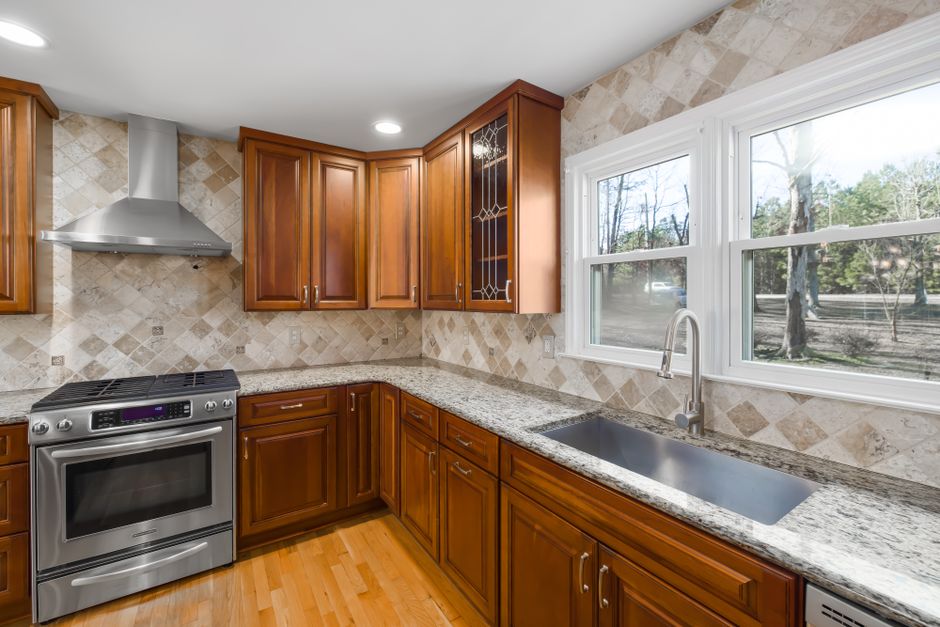
Most remodelers treat an inquiry from a Los Angeles, CA homeowner like a repair call and expect a decision in days, then drop the lead when none comes. A kitchen remodel is planned over months, and the follow up rhythm that los angeles kitchen remodeler marketing bonnier zm studio covers in detail is built around that long cycle, not against it.
First response speed still decides the first impression
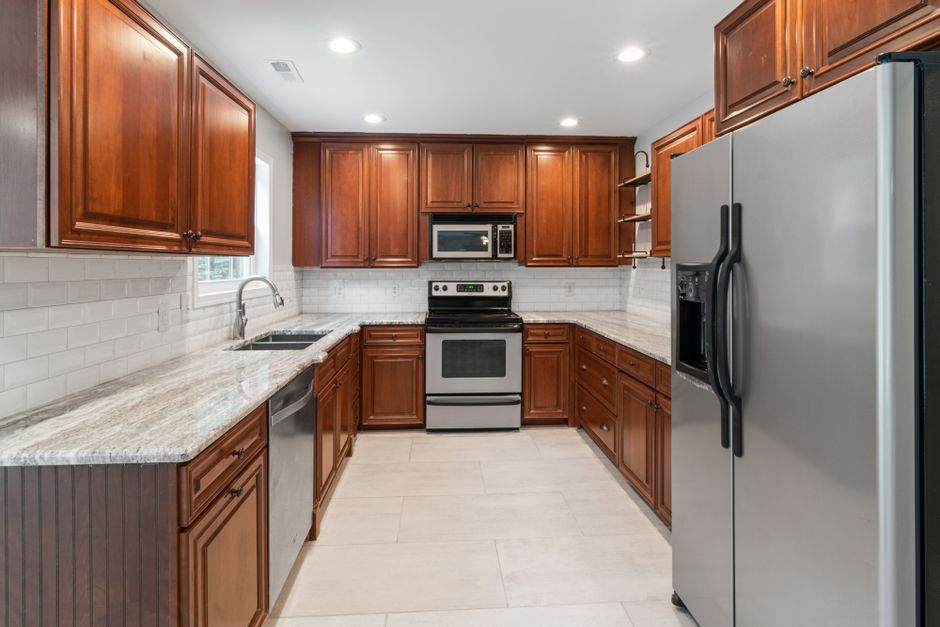
A homeowner who fills in a form is often sending the same message to several companies. The one that answers the same day, with a real person and a specific question about the kitchen, starts ahead. The reply does not need to sell anything. It needs to confirm the request arrived, ask what the homeowner wants changed and propose a time to talk.
Consult scheduling across a wide county
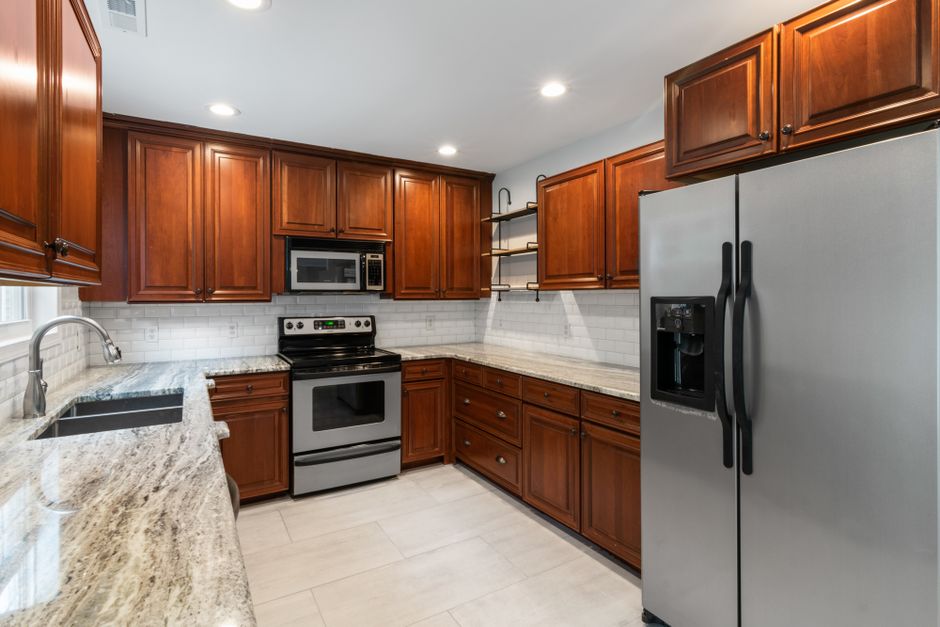
Traffic across Los Angeles County makes consults costly in time. Grouping visits by area, such as Pasadena and Glendale on one day and Santa Monica and the Westside on another, keeps the calendar workable. A short phone call before the visit filters out jobs outside the service area and helps the owner arrive with the right questions.
Design visit notes that carry forward
After the site visit, written notes on the layout, the walls in question, the age of the plumbing and electrical, and what the homeowner said they care about become the backbone of every later message. Silver Lake bungalow owners and San Fernando Valley ranch owners worry about different things, and a note that reflects what each said shows listening. Sending a short recap within a day keeps the project fresh.
A check in rhythm that suits a slow decision
Weekly pressure chases people away, and silence for three months loses them. A gentle rhythm works better: a recap after the visit, a message when the drawings or proposal are ready, then a light check every few weeks that offers something useful, like a note about permit timing with the Los Angeles Department of Building and Safety or a lead time on cabinets. Each touch should have a reason.
Tracking sources and quiet leads
Every inquiry should be tagged with where it came from, whether a map listing, the website, a referral or a directory, and kept in one place with its notes and dates. That record shows which channels bring serious kitchen projects and which bring window shoppers. Leads that go quiet should not be deleted. A brief note after several months, asking whether plans have changed, often revives a project that was only waiting on financing, a permit or a family decision.