Which License and Permit Details Should a Kitchen Remodeler Show Homeowners
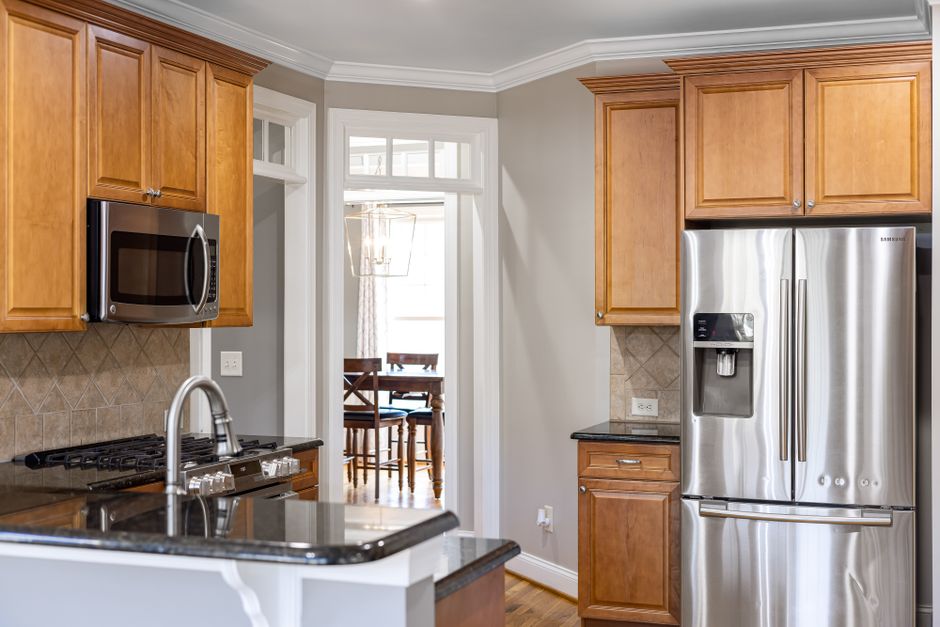
Pull up the contractor license status of any remodeler you are considering and read it before the first consult. The breakdown sitting on los angeles kitchen remodeler marketing bonnier zm studio lists the license and permit details a kitchen remodeler should put in front of a homeowner in Los Angeles, CA, in the order a careful buyer checks them.
License standing on every page that matters
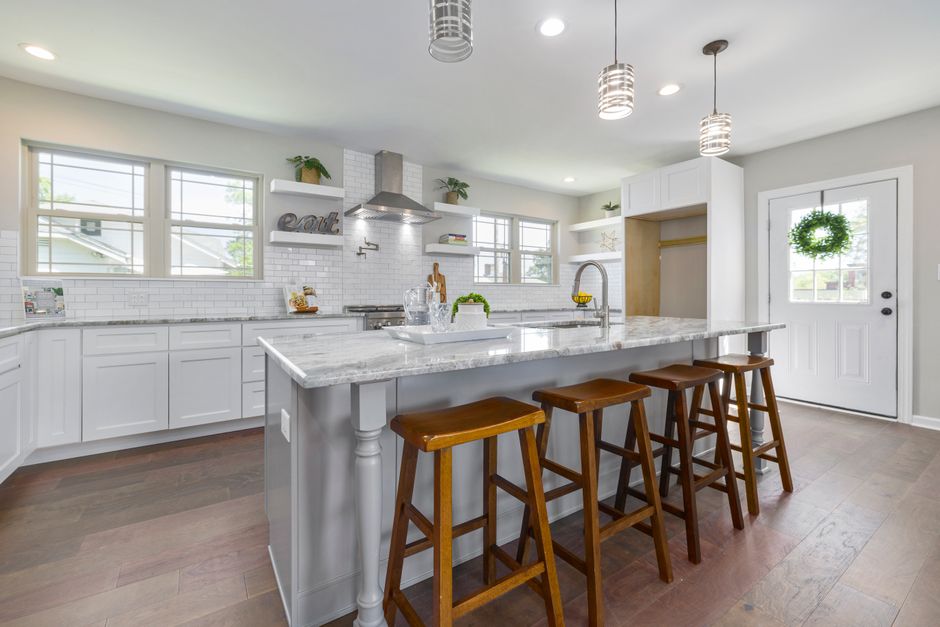
A homeowner hiring for a kitchen rebuild expects to see that the contractor holds a valid state license in the right classification. Showing the license number in the footer of the website and on proposals lets the buyer verify it in a minute. Standing matters too: active, not suspended, with a bond on file. A remodeler who hides this detail invites the suspicion that there is something to hide.
Insurance and bond stated plainly
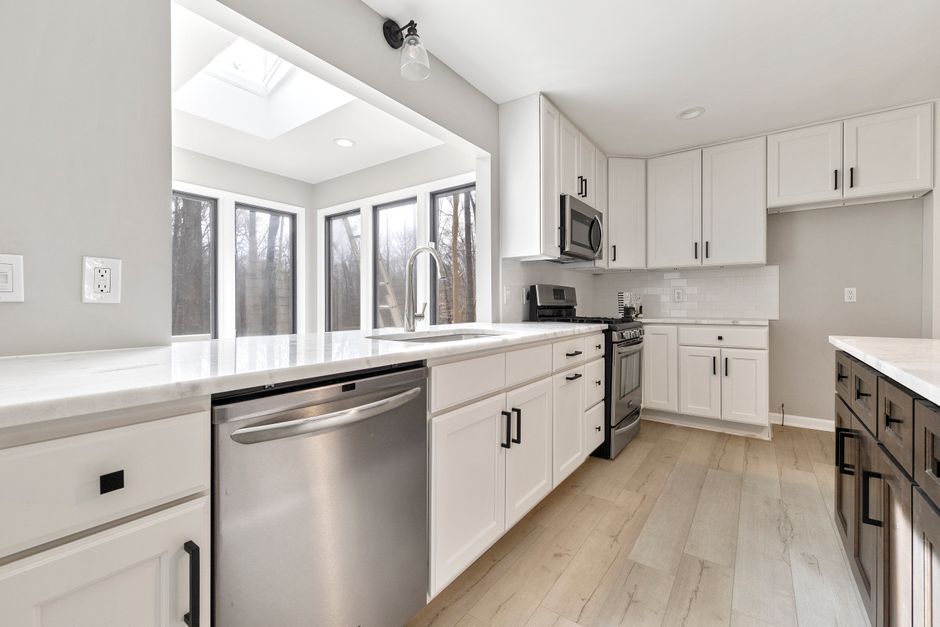
Workers compensation and general liability are questions buyers ask early, particularly in Los Angeles County where homes are often valuable and neighbors share walls. A short line explaining that the company carries both, and that certificates can be sent on request, answers the question before it is asked. Avoid vague wording, since a buyer reading fast wants a clear yes.
How permits are explained
Most kitchen remodels that move plumbing, gas lines or electrical circuits require a permit through the Los Angeles Department of Building and Safety, or the building department of a separate city such as Pasadena, Glendale or Santa Monica. Homeowners often do not know this. A page that explains who pulls the permit, when inspections happen and what the homeowner signs gives the company authority and sets expectations about timing. Remodelers who suggest skipping permits lose serious buyers, and rightly so.
Older housing stock and what it changes
Silver Lake bungalows, Valley ranch houses and prewar homes across the Westside often hide knob and tube wiring, galvanized pipes or aluminum branch circuits. An honest explanation that these conditions may require electrical or plumbing upgrades, and that the scope can change once walls open, shows the buyer the remodeler has done this before. It also frames later conversations about change orders as expected, not as a surprise.
Where to show it all
A single trust page works well: license number, bond, insurance, a short walk through the permit process and a note on how older homes are handled. Link it from the footer and mention it in proposals. The details should match everywhere the company appears, including the map listing and any directory profile, since a mismatch between a listing and the license record makes buyers pause. Dates of licensing and insurance renewal should be kept current, and outdated statements removed rather than left to age.